Art History
Antonio Berni in Europe (1925–1931)
The formative years that transformed his artistic language
Antonio Berni's European sojourn between 1925 and 1931 constitutes one of the most decisive formative moments in his career. During these years, the young artist from Rosario came into direct contact with European pictorial traditions and the avant-garde currents that were transforming modern art in cities such as Madrid and Paris.
This period marked a fundamental transition in his work. Berni moved from the landscapes of his youth toward a more complex painting, influenced by metaphysical painting, surrealism, and the figurative renewal that characterized European art after the First World War. The experiences acquired during these years not only expanded his visual language but also helped form the critical perspective that would later define his commitment to Argentine social reality.
Training in Madrid
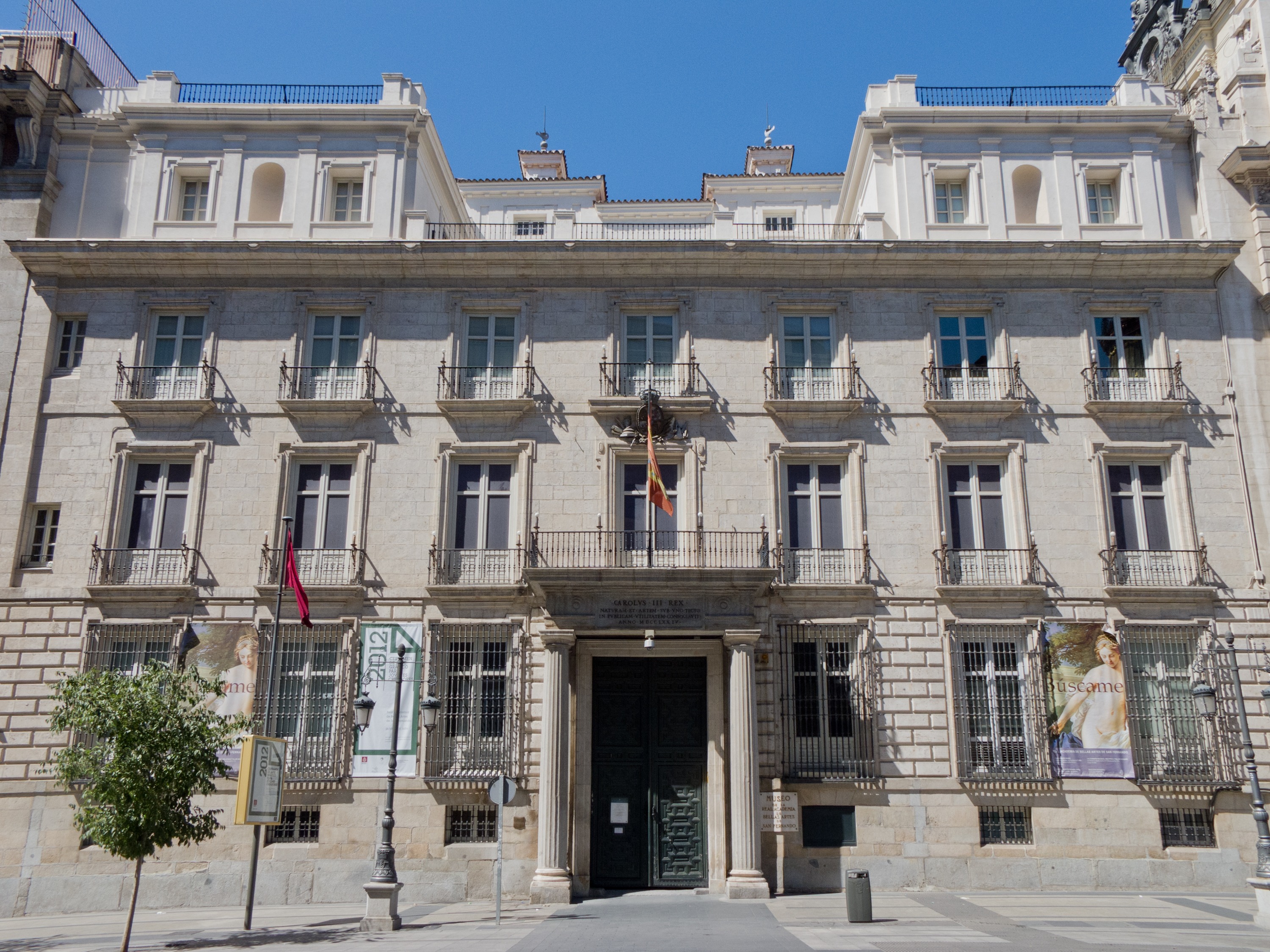
In 1925, Berni obtained a scholarship from the Jockey Club of Rosario that allowed him to travel to Europe at just twenty years of age. His first stage took place in Madrid, where he continued his artistic training in the environment of the Royal Academy of Fine Arts of San Fernando.
During this period he visited various Spanish cities—including Toledo, Segovia, and Seville—studying both classical masters and modern painters of the Spanish scene. Artists such as Joaquin Sorolla or Ignacio Zuloaga offered models of a vigorous figurative painting, marked by the expressive use of color and a strong cultural identity.
This experience consolidated his technical training and reinforced his interest in the human figure, the construction of pictorial space, and compositional structure.
Paris and the encounter with the avant-garde
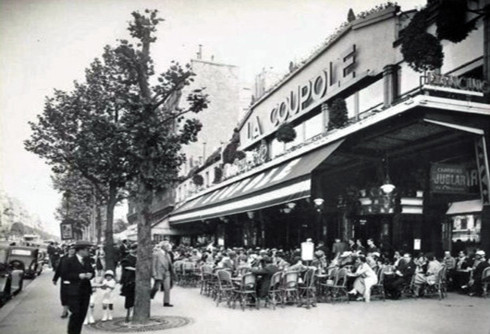
After his Madrid period, Berni moved to Paris, the main international artistic center of the time. There he joined a circle of Argentine artists that included Horacio Butler, Aquiles Badi, Alfredo Bigatti, Xul Solar, and Lino Enea Spilimbergo.
In the French capital he studied at the Academie de la Grande Chaumiere, where he attended workshops led by Andre Lhote and Othon Friesz. In this context he came into contact with various currents of European modernism, including late cubism and the so-called retour a l'ordre, a tendency that sought to recover formal balance and compositional clarity after the radical experimentation of the early avant-garde.
The intellectual life of Montparnasse—its cafes, studios, and galleries—also offered a space for exchange among artists, writers, and thinkers from different countries.
Surrealism and new ideas
At the end of the 1920s, Berni became interested in surrealism and the intellectual climate surrounding the movement led by Andre Breton.
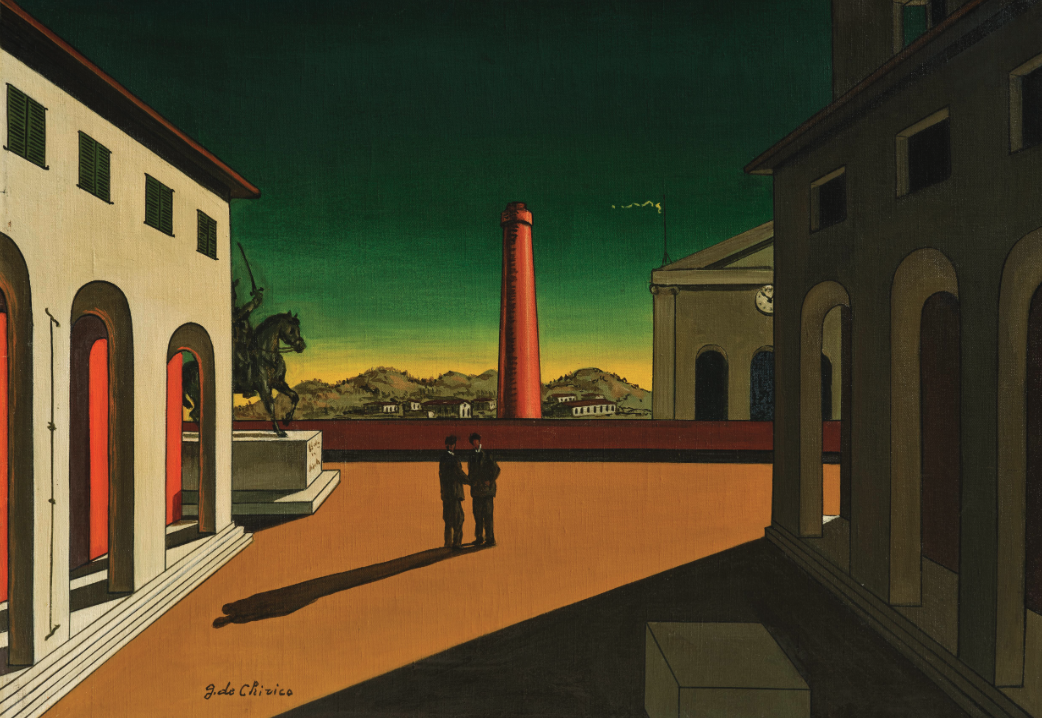
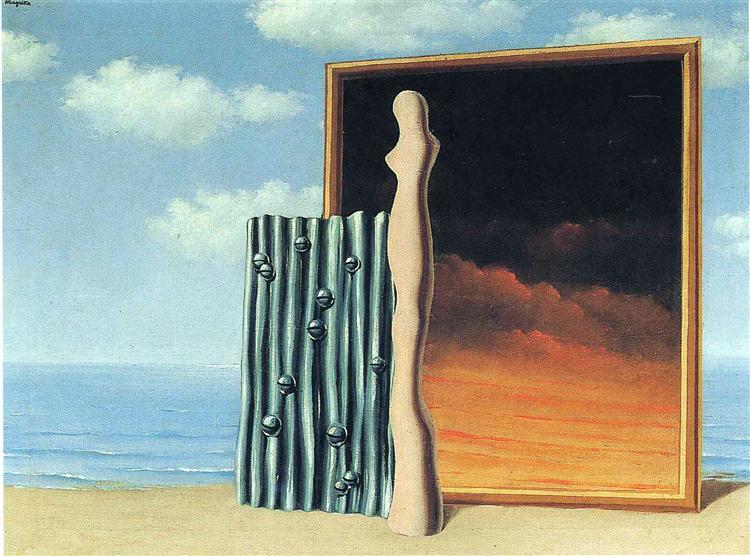
Surrealism proposed exploring the unconscious, dreams, and the psychological dimensions of modern experience. During these years Berni also studied the work of artists such as Giorgio de Chirico and Rene Magritte, whose metaphysical compositions and enigmatic atmospheres exerted a significant influence on his painting.
The deserted squares, elongated shadows, and silent architectures characteristic of metaphysical painting offered a visual model where everyday reality seemed to shift toward a more ambiguous and suggestive dimension.
La playa (1929)
One of the works that most clearly reflects this period is La playa (1929), created during the artist's European sojourn.
The painting presents a coastal landscape stripped of human activity, where architectural structures acquire an almost sculptural presence within a silent and carefully ordered space. The clarity of the space, defined shadows, and suspended atmosphere evoke the tradition of metaphysical painting associated with Giorgio de Chirico.
In it one can observe the process by which Berni was beginning to integrate the experiences of the European avant-garde into his own language.
A decisive period
The works created during Berni's European sojourn today constitute a fundamental chapter for understanding his artistic evolution.
Although a few years later the artist would distance himself from surrealism to develop a painting deeply linked to Argentine social reality, the visual explorations of this period would not disappear entirely. The unsettling atmospheres, the psychological tension of space, and the symbolic dimension of landscapes would reappear transformed in the great social compositions of the 1930s.
This process would give rise to New Realism, one of the most influential contributions of twentieth-century Latin American art.
Sources and references
- Museo Nacional de Bellas Artes
- MALBA – Museo de Arte Latinoamericano de Buenos Aires
- Andrea Giunta – Antonio Berni and the New Realism
- Fundacion Espigas – Archivo de Arte Argentino